The problem
A private hospital group was running discharge summaries the same way most AU private hospitals do: junior doctors drafting them at end-of-shift from EMR data, senior clinicians reviewing them, summaries sent to the patient's GP for continuity of care.
The pattern of failure was familiar: at end-of-shift, junior doctors triaged. Discharge summaries were not the most time-sensitive thing on their list. Some patients went home and their GP got the summary two or three days later. The CMO had measured the same-day-GP-handover rate at 41%. The clinical risk was real and the medical-defence insurance premium reflected it.
She had been told by two vendors that AI could "write the summary in seconds". She'd rejected both. Neither vendor could tell her how the system would handle the cases where the EMR data didn't add up to a coherent clinical narrative — which is exactly the case where the summary mattered most.
What we did
Four weeks of clinical-scoping work (including shadowing junior doctors at handover-shift), twelve weeks of build, two weeks of staged pilot in one hospital. The deployed system:
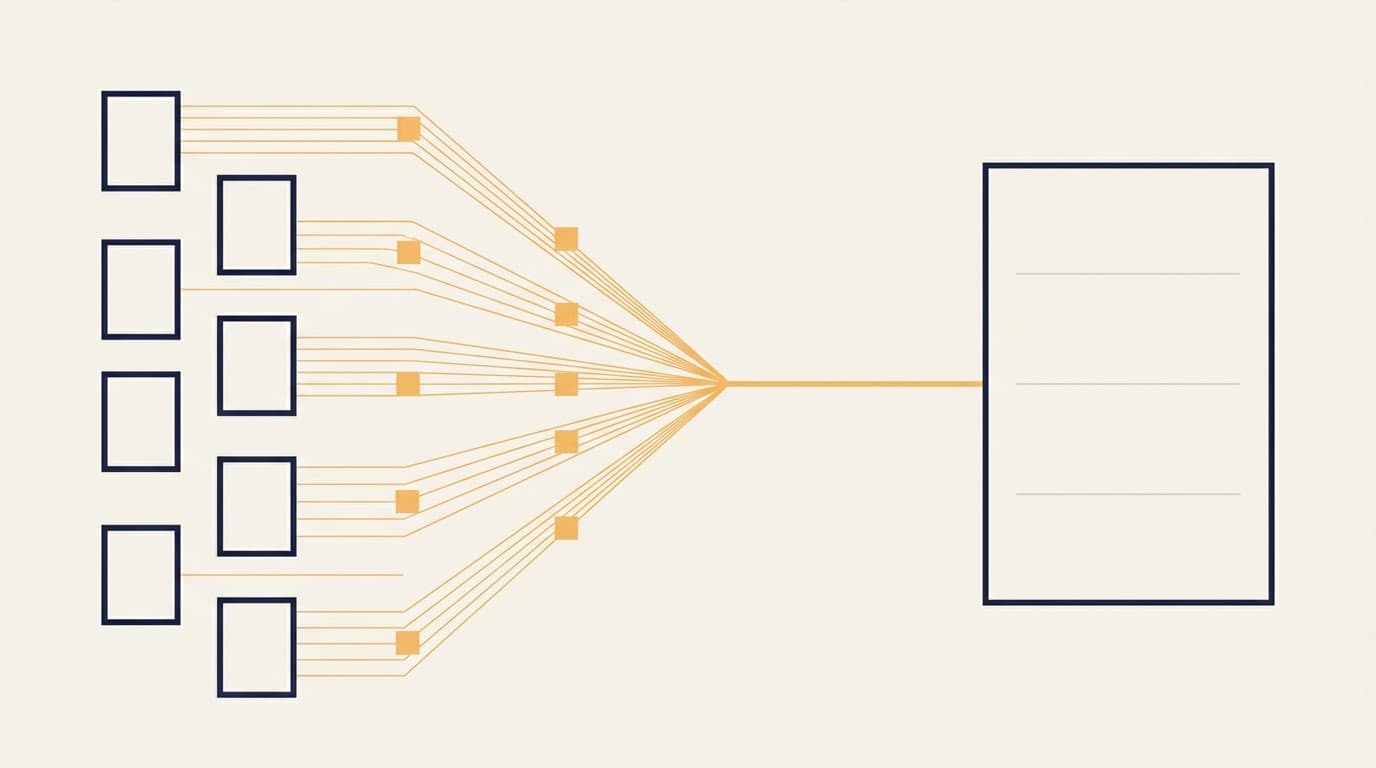
- Ingested structured EMR data — admission diagnosis, in-stay observations, procedures performed, medication changes, pathology and imaging results
- Generated a draft discharge summary in the hospital's standard format
- Flagged ambiguous or inconsistent data (medication contradictions, unresolved test results, atypical observation trajectories) at the top of the draft — making them the first thing the junior doctor read
- Routed every draft into a junior-doctor review queue during the shift, not at end-of-shift
- Locked the summary against further edits once signed off by the responsible senior clinician
- Wrote every model version, every input field, every flagged ambiguity, and every clinician edit into an AHPRA-aligned audit log
The system did not draft summaries autonomously. The architectural decision was: AI does the typing, and AI surfaces clinical risk. The junior doctor and the senior clinician retained every decision authority.
The outcome — at 4 months in production across all sites
| Before (FY24 baseline) | After (4 months in production) | |
|---|---|---|
| Discharge volume | ~14,000/month | ~14,300/month (within natural variation) |
| Time per discharge summary | ~22 minutes | ~4 minutes |
| Same-day GP handover rate | 41% | 93% |
| Junior-doctor edits per draft (flag of system quality) | n/a | ~3.2 edits per draft (high engagement, not silent acceptance) |
| Clinician-flagged 'wouldn't have caught this' ambiguities | n/a | 287 across portfolio in 4 months |
| Cost per summary drafted (model + infra) | n/a | A$0.12 |
| AHPRA / medical-governance findings | n/a | 0 |
| Medical-defence insurance review (annual cycle) | "Of concern" — prior cycle | "Improved" — current cycle |
The 287 system-flagged ambiguities are the metric the CMO most often cites. The system wasn't just drafting summaries faster — it was surfacing clinical-narrative inconsistencies that overworked junior doctors at end-of-shift could miss.
What changed wasn't the time on the keyboard. It was that the junior doctors had time to think about what the summary said. We used to ship summaries that were accurate but not insightful. Now we ship summaries that are both.
— Chief Medical Officer, private hospital group
What we'd do differently
Surface ambiguity flags before the draft text. We did this in week six after pilot feedback. The first version of the UI buried the flags below the summary text — predictably, junior doctors didn't see them until they'd already read the draft. Flags-first should have been the v1.
Pilot at the larger hospital first. We piloted at the smallest hospital for risk-management reasons. The clinical complexity at the larger hospitals was a different scale and we lost two weeks retuning the ambiguity-flag thresholds. In hindsight, pilot at the harder case.
What we didn't do
We didn't autonomously generate or send any summary. We didn't ingest data from any source outside the EMR. We didn't deploy any tool that retained patient data beyond the engagement environment.
The most important architectural decision was the boring one: junior doctor reviews every draft, senior clinician signs off every summary, audit log captures every version. The AI is fast; the clinical judgement is the work. That's been the pattern in every clinical-AI engagement we've shipped since.